
Sports Flooring Systems for Gyms, Courts and Outdoor Surfaces
The right floor decides how your facility plays, how long it lasts and how safe it is for athletes, whether it is a basketball gym, a pickleball court or a multi-sport hall. Compare 21 sports flooring systems from 2 verified, vetted brands, from hardwood gym floors and seamless synthetic surfaces to modular tiles for indoor courts and outdoor court tiles built for the weather, with sections for basketball, tennis and pickleball courts. Filter by sport, indoor or outdoor use and facility type, check thickness, standards and warranty, and contact the brand directly for a quote.
On this page: Compare systems · How to choose · Indoor flooring · Outdoor court tiles · Basketball courts · Tennis and pickleball · FAQs
- Vetted suppliers
- Indoor and outdoor flooring
- Get a cost estimate for your project
Filters
No products match these filters. Choose "All" or clear the filters to see everything.
How to choose sports flooring
Start with where the floor will be used, then match the system to the sport and the building.
Indoor and gym flooring
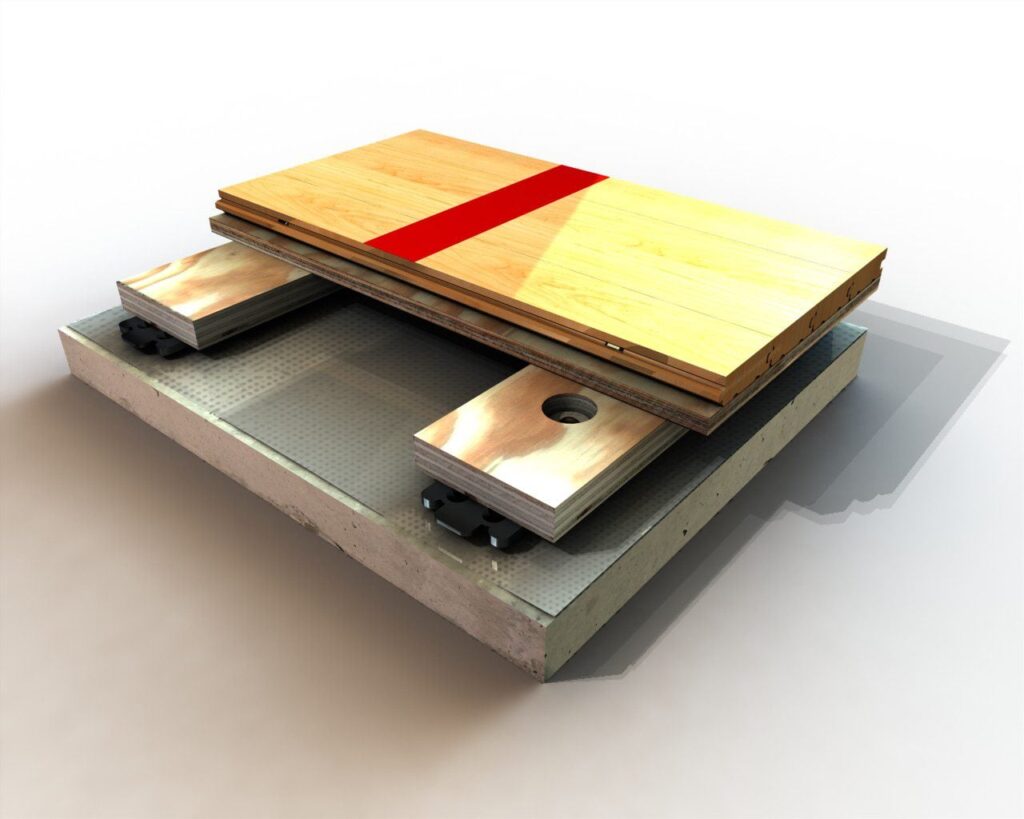
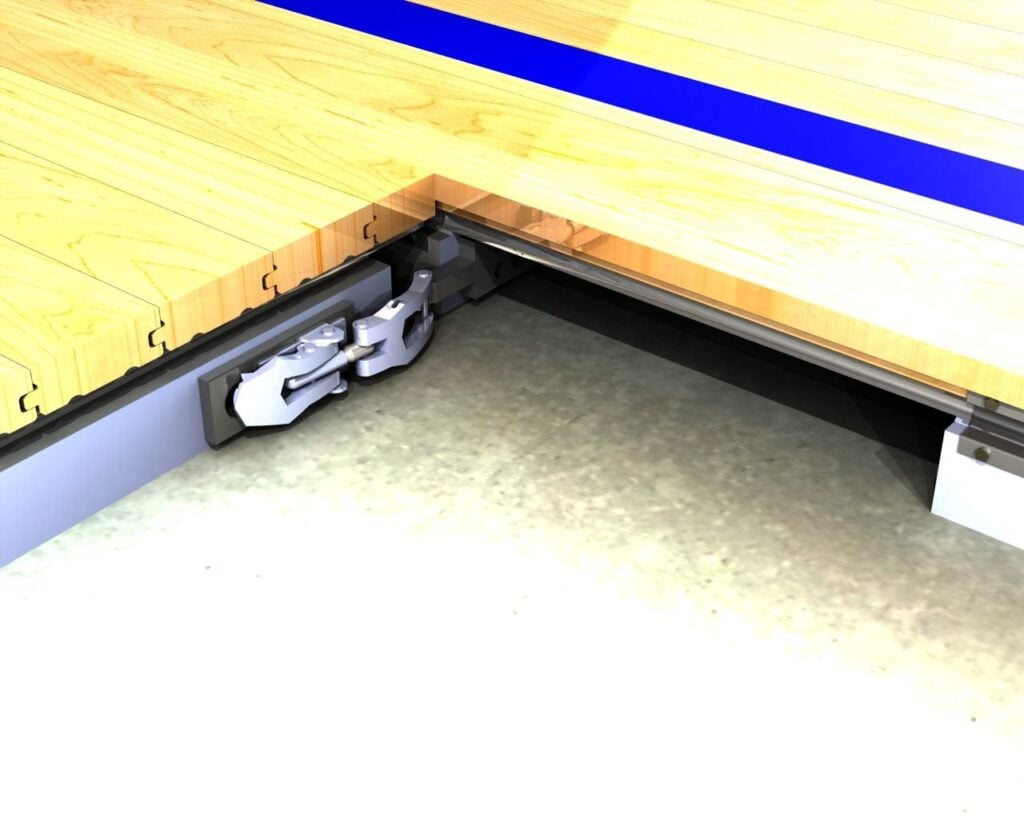
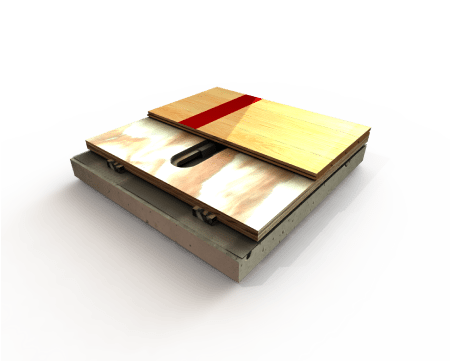
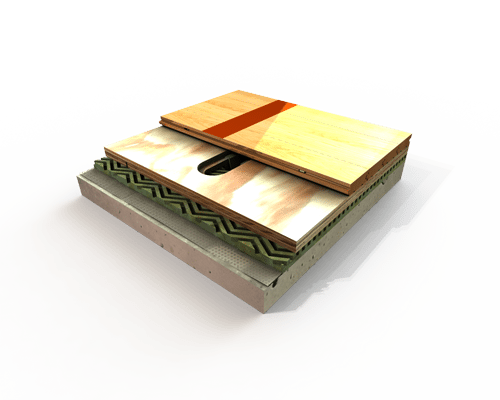
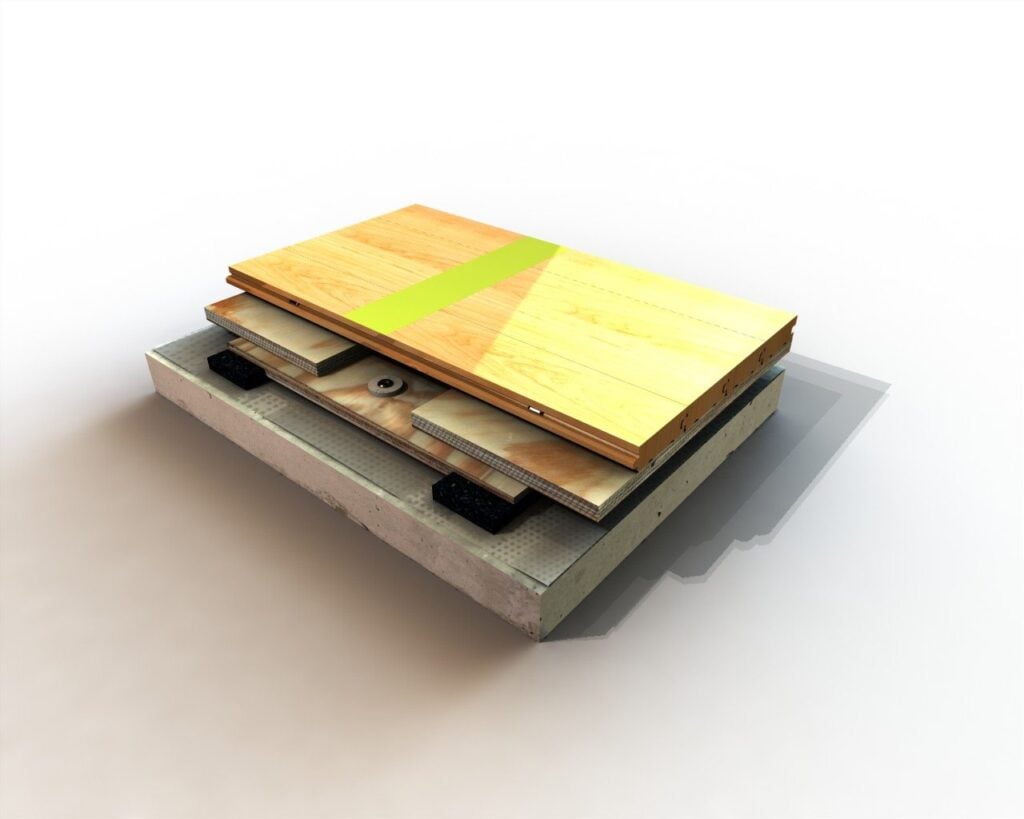
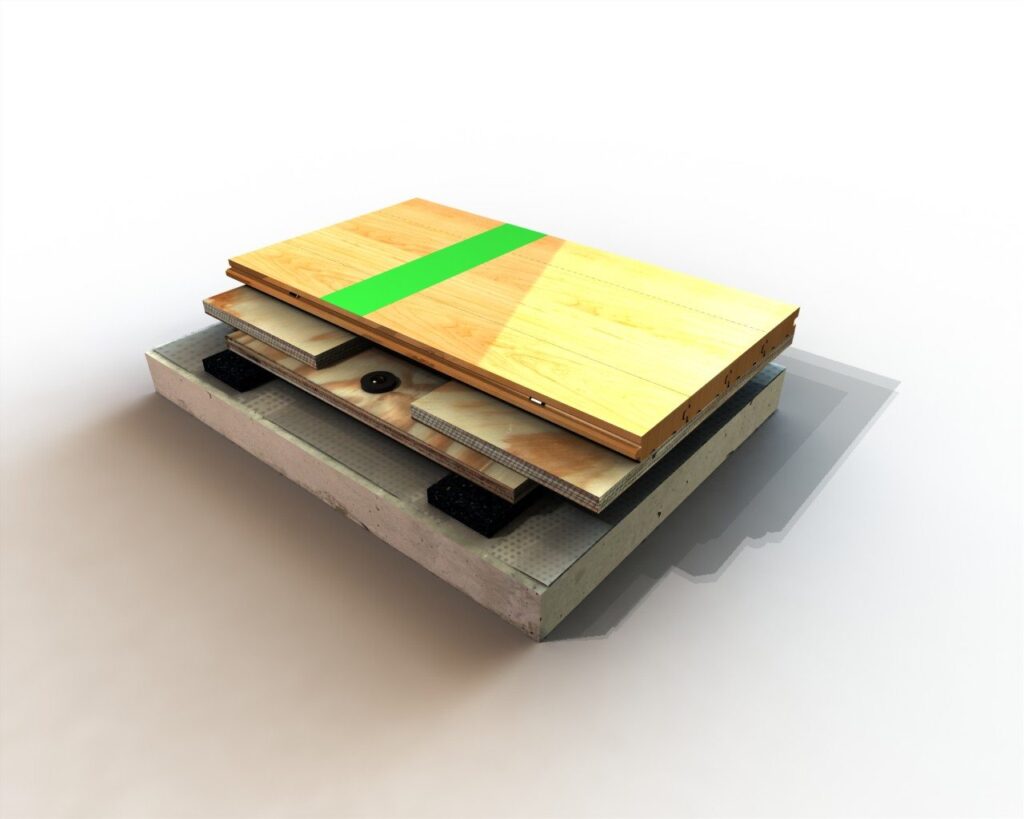
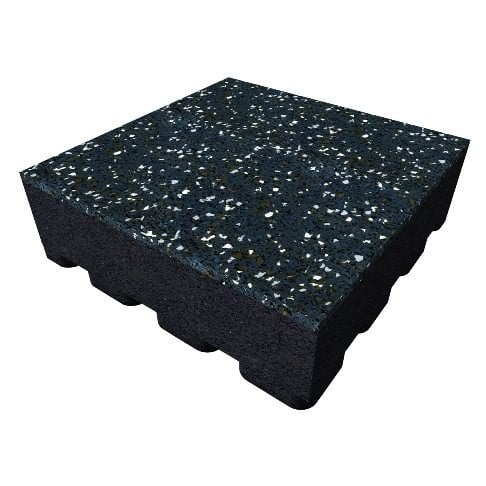
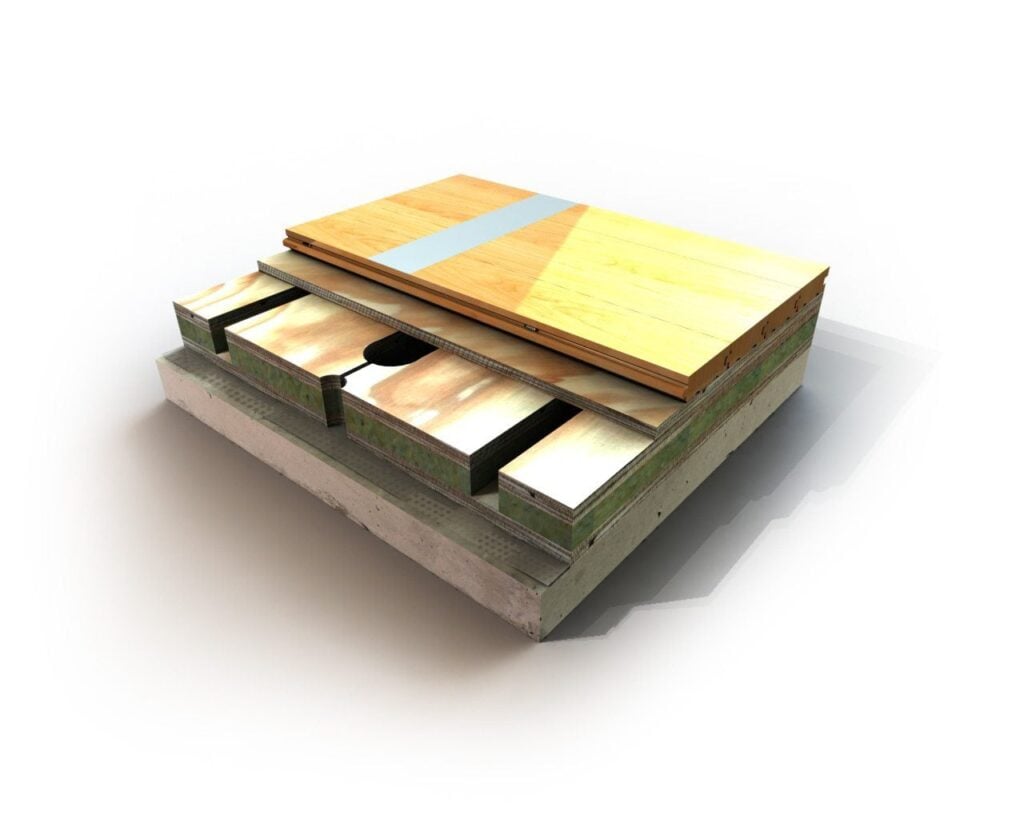
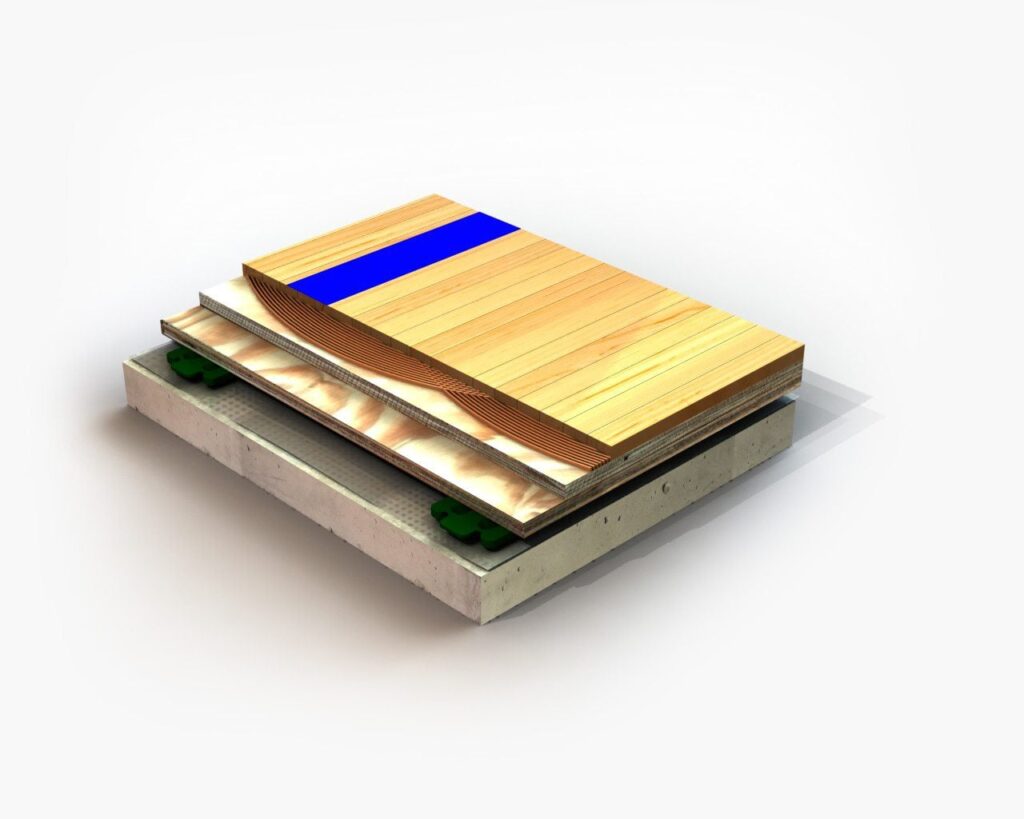
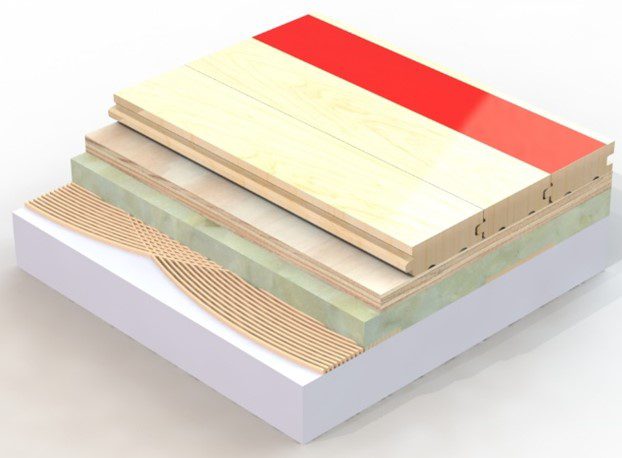
- Hardwood floor systems (11 Robbins products): maple floors on a resilient subfloor for gyms, arenas and multi-purpose halls. Robbins builds them as anchored, floating or continuous-subfloor systems, roughly 1 3/4 to 3 1/2 inches thick in total. Some are portable (All Star Portable), some suit retrofits (the low-profile Eclipse SB), and Danzaire is a sprung floor for dance.
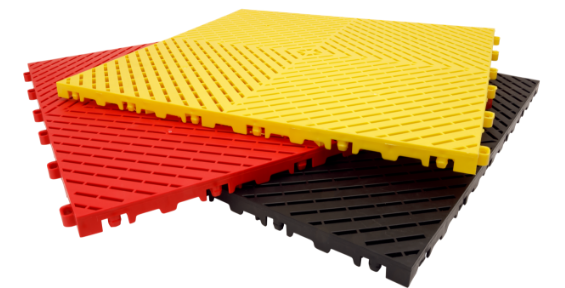
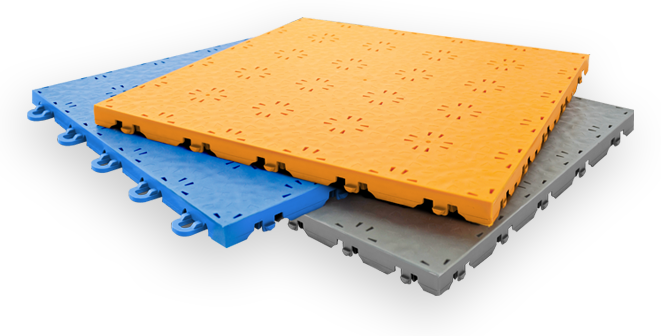
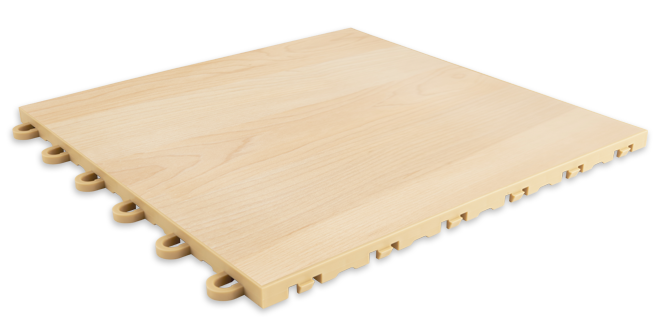
- Modular indoor tiles (VersaCourt Wood-Grain and Compete Indoor): interlocking polypropylene tiles for gyms and multi-purpose rooms. Wood-Grain is 1/2 inch thick with a 15 year warranty, and Compete Indoor locks at eight points per tile with a 25 to 30 year structural life.
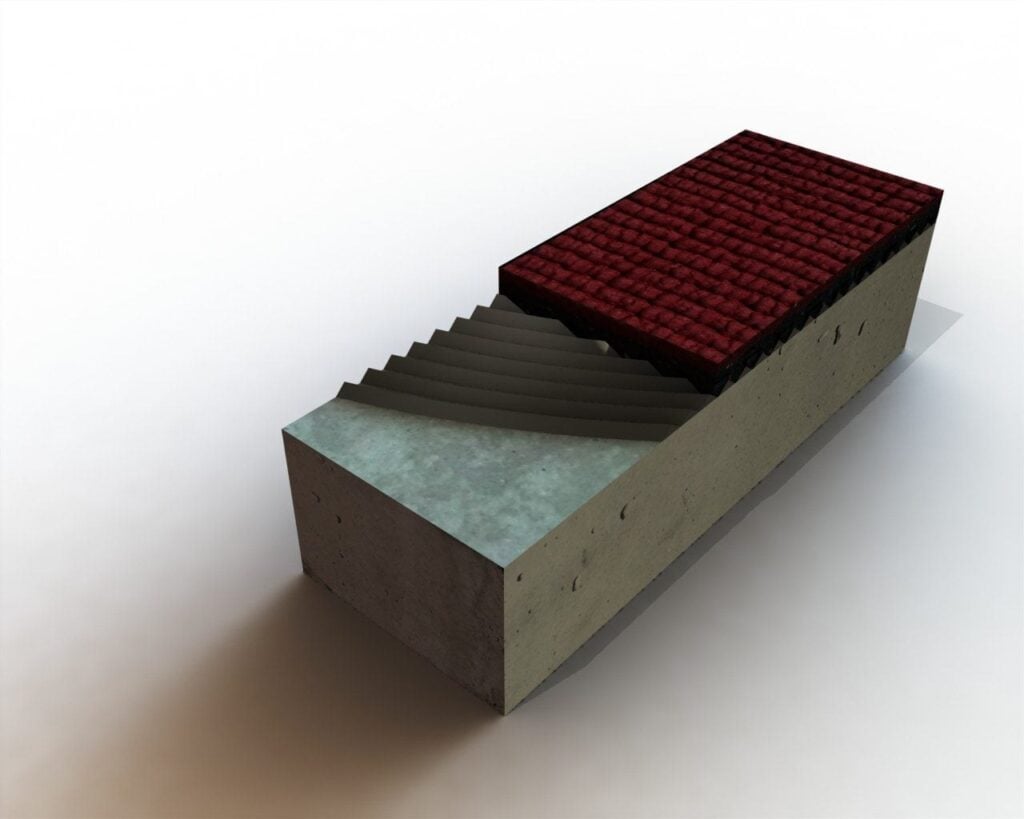
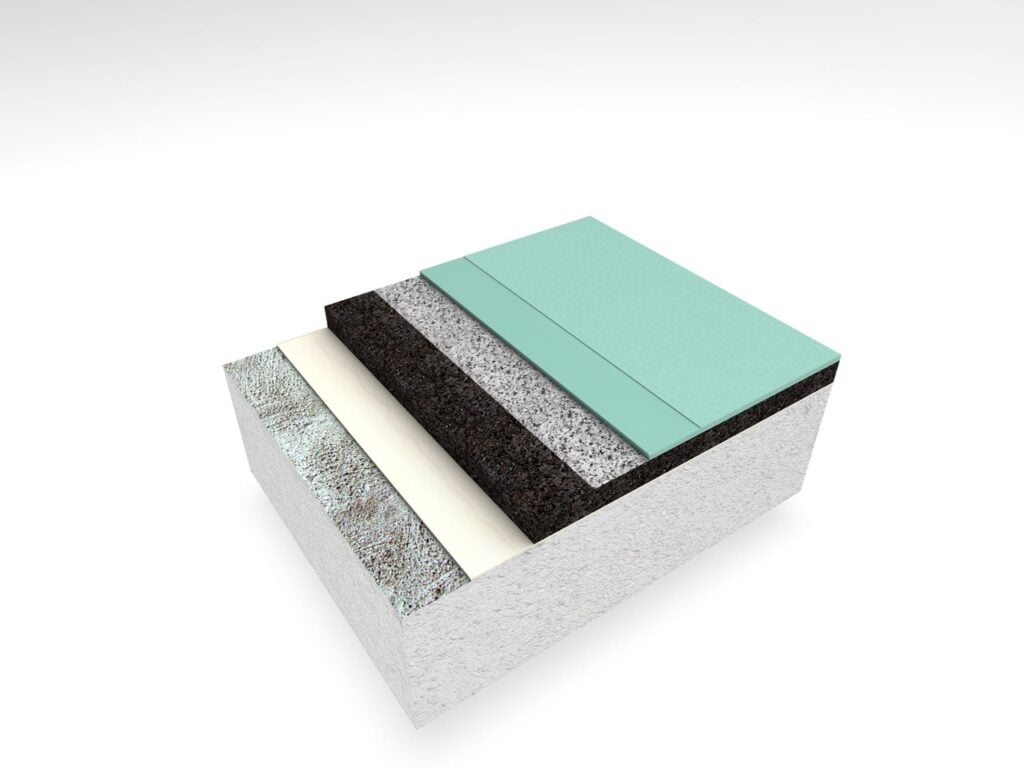
- Synthetic and rubber floors (Robbins Pulastic, Galaxy and Durathon): Pulastic is a seamless polyurethane floor from 5 to 16.5 mm, Galaxy is recycled-rubber flooring for weight rooms and fitness areas, and Durathon is vulcanized rubber for running tracks and field-house infields.
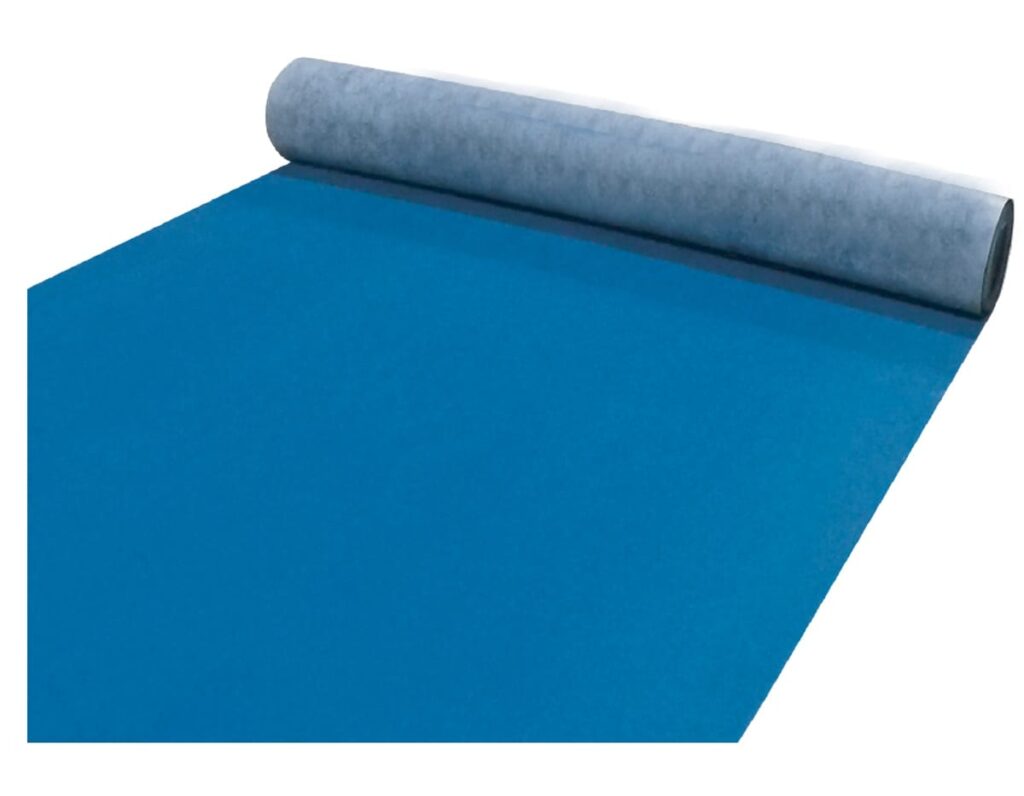
- Moisture protection: the UltraShield 100 vapor barrier goes under approved wood systems on slabs with high humidity or high pH, with a 20 year warranty.
Outdoor court tiles and surfaces
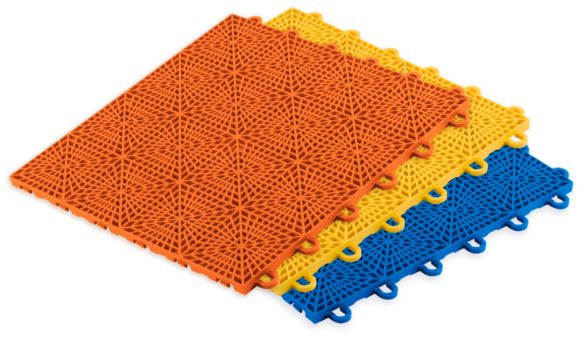
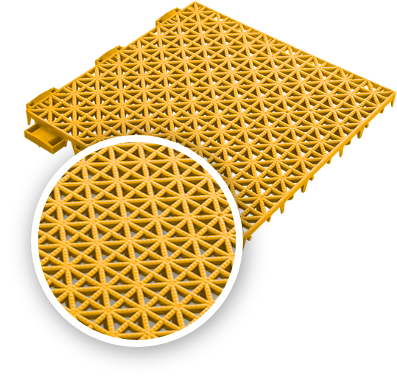
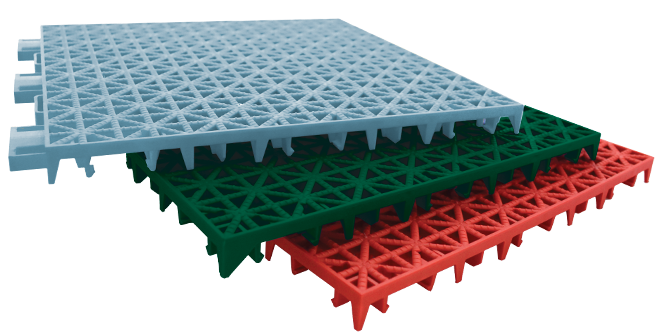
- Outdoor court tiles (VersaCourt Game Outdoor, Pickleball Performance, Active and Boost): interlocking polypropylene tiles for basketball, tennis, pickleball and multi-sport courts. The outdoor tiles carry lifetime or limited lifetime warranties, and the Active tile takes vehicle loads up to 60,000 lb, which suits driveway courts.
- Surfaces that work outdoors and indoors (Robbins): Durathon Elite track surfaces are listed for indoor and outdoor use, and Pulastic includes an outdoor model, Comfort Court 50.
Before you choose, settle these points:
- Where it goes. Indoor and outdoor floors are built differently, so decide this first.
- The sport and level of play. Competition floors and recreation floors are specified differently.
- The building and subfloor. Slab flatness, humidity and the depth available decide between low-profile and full-depth systems.
- Loads. Bleachers, portable goals, equipment lifts and vehicles call for systems built for heavy loads.
- Standards. Robbins cites DIN 18032-2 and MFMA third-party PUR certification for its hardwood systems.
- Warranty and upkeep. Both vary by system, so compare them on the product page.
Flooring by sport
Basketball courts
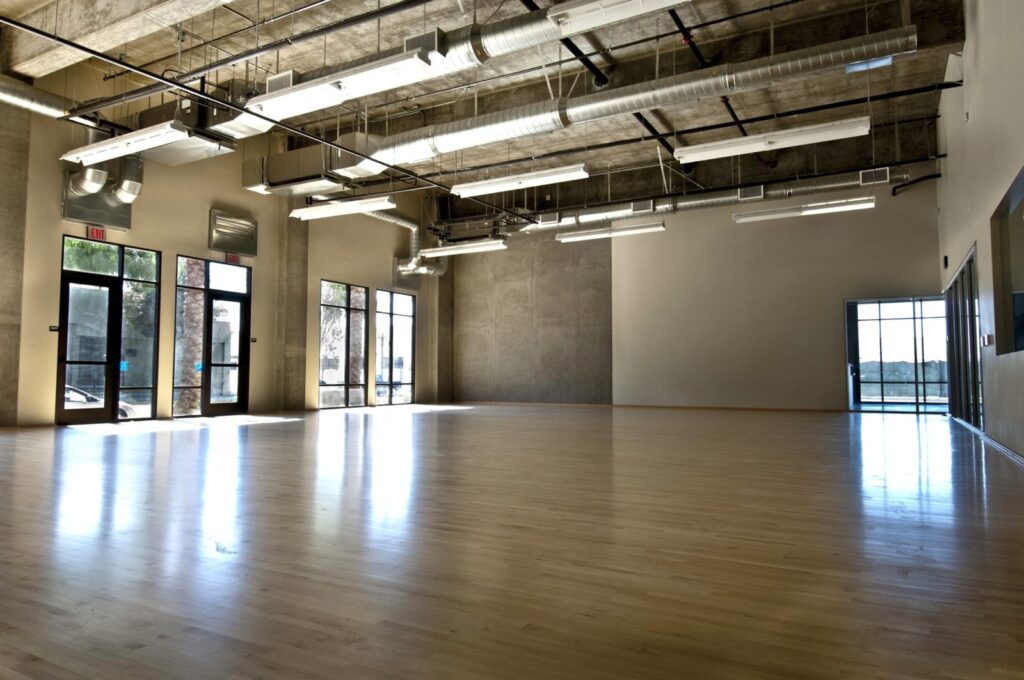
For gyms and arenas, hardwood is the standard choice. Robbins' All Star Portable is a portable system that Robbins says is used by NBA teams, top NCAA programs and FIBA championships; Robbins also says the UniMax100 was developed with feedback from elite basketball programs. Self-blocking systems such as the Eclipse SB and Bio-Channel SB handle bleachers and portable goals. For multi-purpose rooms, VersaCourt's Wood-Grain and Compete Indoor tiles are an interlocking alternative, and the Game Outdoor tile suits an outdoor or driveway court. Under the floor, Ultra Base's Court Panel and Foundation Panel can replace a concrete pad.
Tennis and pickleball courts
Outdoors, VersaCourt's Pickleball Performance tile is designed for pickleball and other racquet sports, and Game Outdoor covers tennis and multi-sport courts. For indoor pickleball, VersaCourt's Wood-Grain tile is listed for it, and Robbins' Pulastic includes pickleball among its uses. Under the surface, the Ultra Base panels replace a concrete pad, and ClassicCourt's post-tension concrete court system is built for tennis and pickleball courts.
Compare systems at a glance
The main specifications of each system, grouped by type. Open a product for its full specifications and spec sheet.
Hardwood flooring
| Product | Brand | Material | Total thickness |
|---|---|---|---|
| Robbins Air-Channel Star hardwood sports floor system | Robbins Sports Surfaces | Maple hardwood on anchored laminated sleepers with a continuous subfloor | 2 3/4 in with 25/32 in flooring (70 mm with 20 mm) |
| Robbins All Star Portable basketball floor system | Robbins Sports Surfaces | Maple hardwood on a CNC-manufactured sleeper subfloor | 2 3/4 in with 25/32 in maple; 3 1/2 in with resilient package |
| Robbins Bio-Channel Classic hardwood sports floor system | Robbins Sports Surfaces | Maple hardwood | 3 in with 25/32 in flooring (76 mm with 20 mm) |
| Robbins Bio-Channel SB hardwood sports floor system | Robbins Sports Surfaces | Maple hardwood | 1 3/4 in with 25/32 in flooring (44 mm with 20 mm) |
| Robbins Bio-Channel Star hardwood sports floor system | Robbins Sports Surfaces | Maple hardwood on a continuous subfloor | 2 1/8 in with 25/32 in flooring (54 mm with 20 mm) |
| Robbins Danzaire sprung dance floor system | Robbins Sports Surfaces | Solid maple hardwood, optional Marley vinyl surface | 2 3/4 in with 1/2 in flooring; 3 in with 25/32 in flooring (70 mm / 76 mm) |
| Robbins Eclipse SB hardwood sports floor system | Robbins Sports Surfaces | Maple hardwood, CNC-manufactured subfloor | 2 in with 25/32 in flooring (51 mm with 20 mm) |
| Robbins Eclipse hardwood sports floor system | Robbins Sports Surfaces | Maple hardwood on a continuous subfloor | 2 1/8 in with 25/32 in flooring (54 mm with 20 mm) |
| Robbins MVP hardwood sports floor system | Robbins Sports Surfaces | Maple hardwood on a continuous laminated subfloor | 2 7/8 in with 25/32 in flooring |
| Robbins Sportwood Ultra Star hardwood sports floor system | Robbins Sports Surfaces | MFMA edge-grain northern hard maple parquet | 1 3/4 in (7/16 in maple, 7/16 in pad) or 2 in (7/16 in maple, 3/4 in pad) |
| Robbins UniMax100 hardwood sports floor system | Robbins Sports Surfaces | Maple hardwood on a continuous CNC-manufactured subfloor | 2 1/4 in with 25/32 in flooring (57 mm with 20 mm) |
Modular court tiles
| Product | Brand | Sports | Material | Indoor or outdoor | Interlocking |
|---|---|---|---|---|---|
| VersaCourt Active court tile | VersaCourt | Multi-sport, Volleyball | Copolymer polypropylene | Outdoor | 24 connectors, made with a 4-point injection mold |
| VersaCourt Boost court tile | VersaCourt | Multi-sport | Copolymer polypropylene | – | Interlocking tiles that fit tightly without seams or gaps |
| VersaCourt Compete Indoor court tile | VersaCourt | Basketball, Multi-sport, Volleyball | Copolymer polypropylene | Indoor | Eight locking points per tile |
| VersaCourt Game Outdoor tile | VersaCourt | Basketball, Multi-sport, Tennis | Copolymer polypropylene | Outdoor | Six locking points per side |
| VersaCourt Pickleball Performance tile | VersaCourt | Padel, Pickleball, Tennis | Polypropylene | Outdoor | Six-point locking system |
| VersaCourt Wood-Grain tile | VersaCourt | Basketball, Multi-sport, Pickleball, Volleyball | High-impact copolymer polypropylene | Indoor | Six locking points per tile |
Frequently asked questions
What types of sports flooring does this catalogue cover?
Hardwood floor systems, modular court tiles, rubber and seamless synthetic floors, and a moisture barrier for wood floors on concrete. They come from VersaCourt and Robbins Sports Surfaces.
What flooring suits a basketball court?
For a gym or arena, hardwood systems are the usual choice, and Robbins offers ten of them, including a portable one. For a multi-purpose room, interlocking tiles such as VersaCourt's Compete Indoor are an alternative, and outdoors a tile such as Game Outdoor suits basketball and multi-sport courts. The right one depends on the level of play, the building and the budget.
What surface and base suit a tennis or pickleball court?
Outdoors, look at tiles made for racquet sports such as VersaCourt's Pickleball Performance, or a post-tension concrete system such as ClassicCourt. Under a surface, Ultra Base's Court Panel and Foundation Panel replace a concrete pad. Ask the brand which combination suits your site and sport.
Should I choose hardwood, synthetic or modular tiles for a gym?
Hardwood systems are the traditional choice for basketball and volleyball courts and are built on a resilient subfloor. Interlocking tiles go down quickly and work indoors or outdoors, and seamless synthetic floors such as Robbins' Pulastic suit multipurpose and fitness spaces. The right one depends on the sport, the building and your budget, so compare the product pages and ask the brand.
What is the difference between anchored, floating and continuous subfloor systems?
Anchored resilient systems are permanent floors anchored to the substrate, which keeps the surface uniform and avoids dead spots. Floating systems are not mechanically fastened to the substrate. A continuous subfloor creates a consistent surface and suits facilities with heavy equipment or loads.
Which standards and certifications should I look for?
Robbins cites DIN 18032-2 and MFMA third-party PUR certification for its hardwood systems, and each product page lists the certifications that apply. See how we vet brands for the certifications brands typically hold.
Can a gym floor handle bleachers and heavy equipment?
Some systems are designed for it. Robbins' self-blocking systems bottom out on the slab under heavy loads while playing like the standard system, and systems with a continuous subfloor also support heavy loads and equipment.
Which tiles suit an outdoor court, and what warranties do they have?
VersaCourt's Game Outdoor tile (3/4 inch) suits basketball, tennis and multi-sport courts and has a lifetime warranty. Its Pickleball Performance tile has a limited lifetime warranty, and its Active tile has a lifetime warranty and carries vehicle loads up to 60,000 lb. Check each product page for the exact terms.
How do I get a quote or a budget?
Use the Get a Quote button on any product page to send your project details to the brand. To budget first, try the indoor sports flooring cost calculator or the outdoor sports flooring cost calculator.
Explore more
- Gymnasium flooring guide Background on gym floor types and what to consider.
- Outdoor sports courts guide Background on outdoor court surfaces.
- Indoor sports flooring cost calculator Estimate an indoor flooring budget.
- Flooring case studies See how real flooring projects turned out.
- Basketball case studies See how real basketball court projects turned out.
- Tennis and pickleball case studies See how real tennis and pickleball projects turned out.
Browse by brand
- Robbins Sports Surfaces (15)
- VersaCourt (6)
How we vet brands
Every brand is a verified business with confirmed contact details and industry credentials, and is part of the SVC professional network. All brands are partners with a commercial agreement with Sports Venue Calculator, which does not affect product order. Products appear in random order. Read how we vet brands.